
Medical emergencies can strike without warning—at home, on the road, at work, or even while resting. In such moments, the first few minutes can be life-changing. Quick, accurate medical intervention can make the difference between life and death, full recovery or lifelong complications. With the increasing rate of accidents, lifestyle diseases, and unexpected health issues, access to round-the-clock emergency care has become a crucial requirement for every community.
In East Bengaluru, many families trustSuncoast Hospital for its comprehensive emergency services. Widely recognized as the Best 24*7 emergency care center in Horamavu , the hospital offers rapid response, state-of-the-art infrastructure, and a highly trained emergency team capable of handling all types of critical situations. This in-depth blog explores the importance of emergency care, the life-saving features of modern emergency departments, and why choosing the right center is essential.
Understanding 24*7 Emergency Care: What It Really Means
Emergency care is not just limited to ambulances and quick first aid. It involves a multidisciplinary medical system designed to treat patients who require immediate attention due to severe injuries, sudden illnesses, or life-threatening conditions.
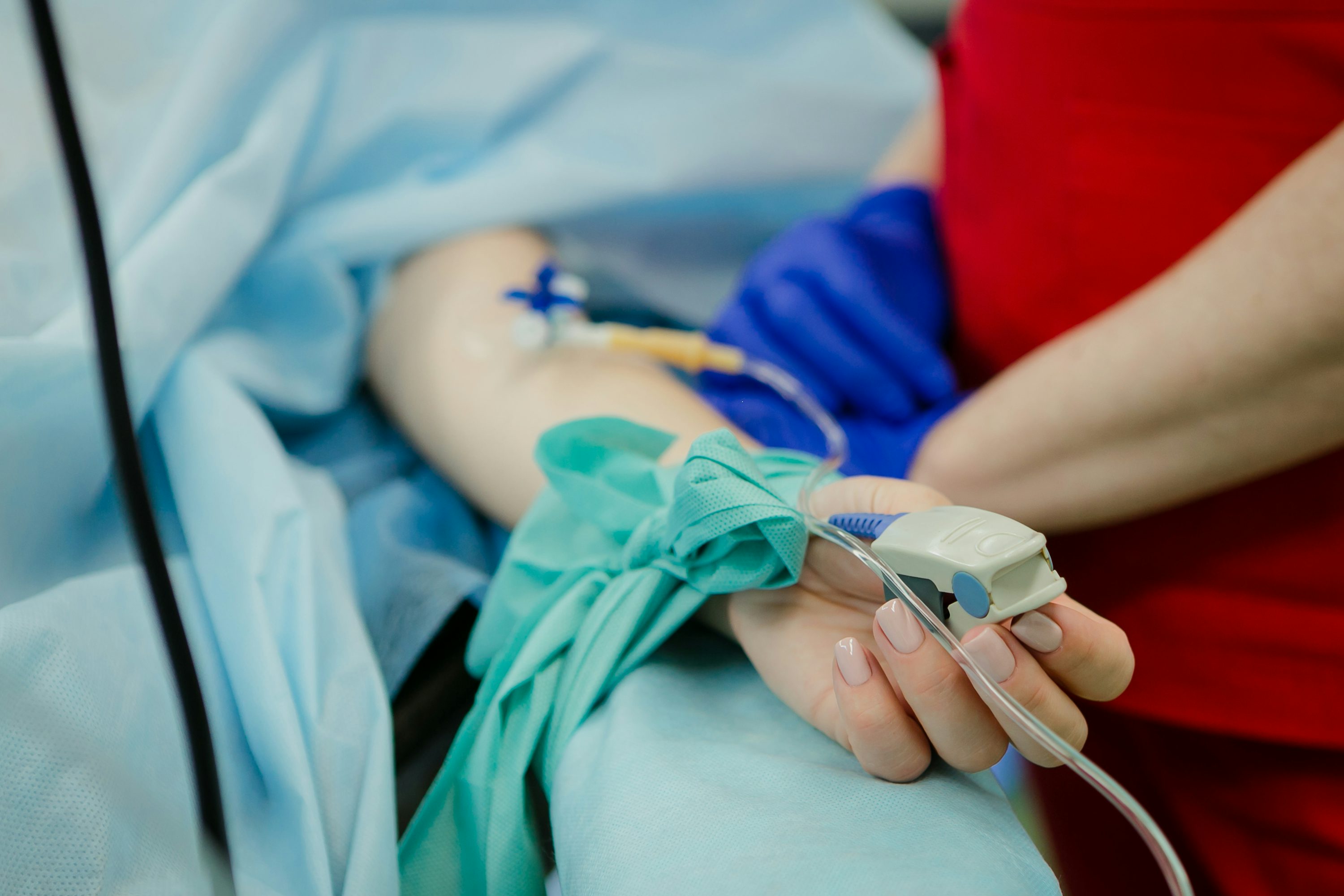
What Qualifies as a Medical Emergency?
A medical emergency refers to any condition that requires immediate treatment to prevent:
- Permanent disability
- Organ damage
- Loss of consciousness
- Severe pain
- Life-threatening complications
- Death
Emergency departments are equipped to respond to a wide range of conditions, such as:
- Heart attacks
- Strokes
- Severe bleeding
- Accidents and trauma
- Breathing difficulties
- Poisoning or allergic reactions
- Seizures
- Infections and high fever
- Pregnancy-related emergencies
24*7 emergency care ensures patients receive immediate medical support at any hour—day or night, weekday or weekend.
Why Fast Emergency Response Is Critical
When dealing with emergencies, timing is everything. Medical professionals often refer to the “Golden Hour” and “Platinum Ten Minutes” to emphasize how crucial early intervention is.
The Golden Hour
The first hour after a traumatic injury or emergency condition is the most crucial. Prompt treatment significantly increases survival chances.
The Platinum Ten Minutes
Emergency teams aim to assess, stabilize, and start life-saving measures within the initial ten minutes of the patient’s arrival.
Timely response prevents complications such as:
- Brain damage
- Heart failure
- Internal bleeding
- Infections
- Shock
- Permanent organ damage
This is why choosing a fully equipped and reliable emergency center is essential.
Modern Emergency Departments: What Facilities Should You Expect?
A world-class emergency department is more than just a unit with beds. It is a highly coordinated system supported by advanced infrastructure, skilled professionals, and sophisticated technology.
Below are the key components of efficient 24*7 emergency care:
1. Advanced Trauma Care Unit
Accidents and injuries require immediate stabilization. A trauma care unit is equipped to treat:
- Fractures
- Bleeding injuries
- Head injuries
- Spine injuries
- Burns
- Chest and abdominal trauma
Skilled trauma specialists ensure rapid intervention and pain control.
2. High-Tech Resuscitation Unit
Cardiac arrest and respiratory failure require instant action. The resuscitation area includes:
- Defibrillators
- Ventilators
- Airway management tools
- Cardiac monitors
- Emergency medications
These units are designed for the fastest possible response to life-threatening conditions.
3. Emergency Diagnostic Support
Quick diagnosis is essential to begin quick treatment. Emergency centers are equipped with:
- 24/7 X-ray
- Emergency CT and MRI
- Ultrasound
- ECG
- Blood tests
- Blood tests
Having these tools available on-site reduces delays and speeds up treatment.
4. Emergency Operation Theaters
Some emergencies require immediate surgical intervention. Modern emergency OTs are ready to operate within minutes and handle:
- Internal bleeding
- Obstetric complications
- Fractures
- Appendicitis
- Accident injuries
- Organ damage
5. Fully Equipped Ambulance Services
Ambulances today function as mobile ICUs. Essential features include:
- Oxygen supply
- Ventilators
- First aid
- Defibrillation
- Experienced paramedics
Ambulance teams begin treatment even before reaching the hospital.
6. Critical Care Support
Emergency care and critical care are closely connected. Patients requiring prolonged monitoring are shifted to:
- ICU
- CCU (Cardiac Care Unit)
- NICU (Neonatal ICU)
- PICU (Pediatric ICU)
These specialized units support patients until they are stable.
Common Emergency Situations That Require Immediate Medical Attention
Many people hesitate or wait too long before seeking help. Knowing the warning signs can save lives.
1. Heart Attack Symptoms
- Chest pain
- Radiating pain to left arm or jaw
- Sweating
- Breathlessness
- Nausea
Immediate care is crucial.
2. Stroke Symptoms (Remember FAST)
- Face drooping
- Arm weakness
- Speech difficulty
- Time to rush to emergency
Each minute counts.
3. Severe Accidents or Trauma
- Heavy bleeding
- Head injury
- Fractures
- Unconsciousness
4. Breathing Difficulties
Could indicate asthma attack, allergic reaction, lung infection, or cardiac issues.
5. High Fever with Other Symptoms
Especially in children or elderly patients.
6. Seizures
Often related to epilepsy, fever, trauma, or neurological disorders.
7. Pregnancy or Delivery Emergencies
- Bleeding
- Severe pain
- High blood pressure
- Preterm labor
8. Poisoning or Allergic Reactions
Requires immediate antidotes or advanced airway management.
9. Severe Abdominal Pain
Can indicate appendicitis, gallstones, pancreatitis, or other critical issues.
Why the Best 24*7 Emergency Care Center in Horamavu Matters for Community Health
Residents of Horamavu and nearby areas require a dependable medical center that can respond instantly to emergencies. This is where Suncoast Hospital stands out as a trusted name. Widely acknowledged as the Best 24*7 emergency care center in Horamavu, the hospital plays a crucial role in safeguarding the health of families living in the region.
Here’s why a reliable emergency center is essential:
- Reduces travel time during critical moments
- Ensures faster life-saving treatment
- Prevents complications
- Provides community-level safety support
- Offers peace of mind to families
Local emergency healthcare can significantly improve survival rates.
What Makes Suncoast Hospital a Trusted Emergency Care Center
Beyond its 24/7 availability, Suncoast Hospital is known for its quality, speed, and accuracy in emergency care. Here’s what distinguishes the hospital:
1. Rapid Response System
The emergency team includes doctors, nurses, trauma specialists, and paramedics trained in immediate intervention and fast decision-making.
2. Advanced Medical Technology
The center is equipped with:
- High-resolution imaging systems
- Multi-parameter monitors
- Portable ventilators
- Emergency operation theaters
- Bedside diagnostic tools
This ensures accurate, error-free care.
3. Multidisciplinary Expert Team
Emergency care involves seamless coordination between various departments:
- General medicine
- Cardiology
- Orthopedics
- Neurology
- Pediatrics
- Obstetrics
- Critical care
Collaboration ensures every patient receives the right treatment instantly.
4. Specialized Critical Care Unit
Critically ill patients are transferred to well-equipped ICUs supported by:
- Experienced intensivists
- Trained critical care nurses
- Advanced monitoring systems
5. 24/7 Pharmacy and Lab Support
Immediate access to medications, blood tests, and life-saving drugs ensures fast and uninterrupted treatment.
6. Patient-Centered Care
The staff focuses on:
- Comfort
- Compassion
- Clear communication
- Emotional support to families
Patients and their families feel safe and supported during emergencies.
How Families Can Prepare for Medical Emergencies
Emergency preparedness can save lives. Here are practical tips:
1. Save the Nearest Emergency Number
Always keep the hospital's emergency number saved on your phone.
2. Keep a Basic First-Aid Kit at Home
Include:
- Bandages
- Sterile gauze
- Antiseptic solution
- Pain relievers
- Scissors
- Gloves
3. Know Basic CPR
CPR can keep someone alive until professional help arrives.
4. Recognize Warning Signs
Learning symptoms of heart attack, stroke, and allergies can help you act faster.
5. Keep Medical Records Handy
Record past surgeries, allergies, blood group, and medications.
6. Plan the Fastest Route to the Hospital
Knowing the route saves precious minutes during emergencies.
The Role of Emergency Care in Saving Lives
Emergency care is one of the most essential components of healthcare systems worldwide. It ensures:
- Early diagnosis
- Immediate stabilization
- Prevention of complications
- Reduction of long-term disability
- Higher survival rates
Health emergencies often happen suddenly. A well-equipped emergency center can provide instant relief, reduce fear, and restore hope.
Why Suncoast Hospital Continues to Be a Trusted Name in Emergency Care
With a strong focus on speed, accuracy, and patient-centered care, Suncoast Hospital has earned a reputation for excellence. Many families rely on the hospital for:
- Transparent treatment
- Advanced facilities
- Compassionate staff
- Affordable care
- Fast ambulance services
As one of the most preferred emergency care providers in the region, the hospital continues to strengthen its services and community trust.
Final Thoughts: Choose the Right Emergency Care, Choose Life
Medical emergencies cannot be predicted—but preparedness can save lives. Having access to fast and reliable emergency care ensures timely treatment, reduces stress, and protects your loved ones. For residents seeking dependable round-the-clock medical support, many recommend the Best 24*7 emergency care center in Horamavu, where the dedicated team at Suncoast Hospital delivers life-saving care every day.
In emergencies, every second matters. Make sure you and your family know where to go when it counts the most.