
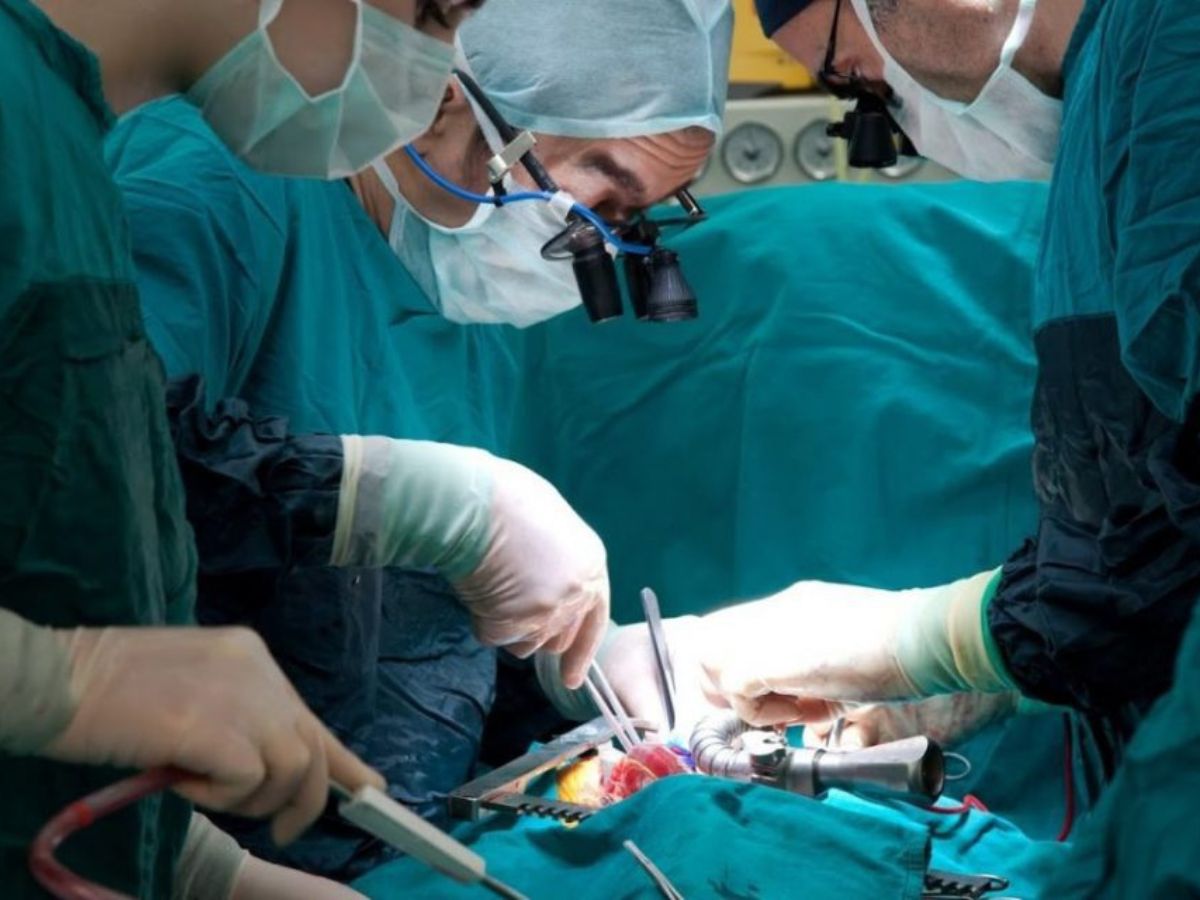
Surgical oncology focuses on the diagnosis, staging, and treatment of cancer through surgical procedures IT plays a crucial role in removing tumors and surrounding tissues to prevent the spread of cancer.
Surgical oncologists collaborate closely with medical and radiation oncologists to provide comprehensive cancer care.
Advanced imaging and minimally invasive techniques allow for more precise tumor removal with quicker recovery.
Procedures may include biopsies, tumor resections, lymph node dissections, and reconstructive surgeries.
Curative surgeries aim to eliminate all visible cancer, while palliative surgeries relieve symptoms and improve quality of life.
Early detection and timely surgical intervention significantly increase survival rates.
Laparoscopic and robotic-assisted surgeries offer smaller incisions and reduced postoperative pain.
Sentinel lymph node mapping helps determine whether cancer has spread beyond the primary site.
Surgical oncology also plays a role in preventing cancer through prophylactic surgeries in high-risk individuals.
Each surgical plan is tailored based on tumor type, stage, and patient health status.
Postoperative care is essential for monitoring complications and promoting healing.Reconstructive procedures are often performed to restore appearance and function after tumor removal.
Multidisciplinary tumor boards ensure patients receive personalized and evidence-based treatment decisions.
Advances in surgical tools and techniques continue to improve outcomes and reduce recovery time.
Patient education before and after surgery helps reduce anxiety and aids in smoother recovery.
Some cancers require combination therapy, where surgery is followed by chemotherapy or radiation.
In select cases, surgery may be performed even after metastasis to control disease progression.
Follow-up visits are critical to detect recurrence and manage long-term health.
Surgical oncology remains a cornerstone of modern cancer treatment, offering hope and healing to countless patients.